
Historical Cabinet Master Craftsmen (The "Big Three" and Beyond)
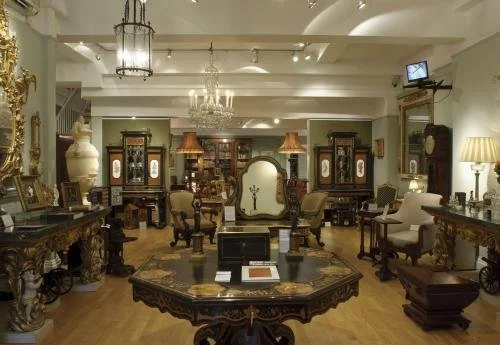
Historical Master Craftsmen (The "Big Three" and Beyond)
These are the titans of classic furniture design. Profiling them offers a great dive into the history of woodworking and antique styles.
Thomas Chippendale (1718–1779): Arguably the most famous name in English furniture history. His book, The Gentleman and Cabinet-Maker's Director, revolutionized furniture design by cataloging Rococo, Gothic, and Chinese-influenced styles.
George Hepplewhite (1727–1786): Known for lighter, more elegant neoclassical designs compared to Chippendale. He popularized the shield-back chair and the use of contrasting veneers and inlays.
Thomas Sheraton (1751–1806): The last of the great 18th-century English furniture makers. His style is characterized by strict neoclassical lines, rectangular forms, and a preference for satinwood.
André-Charles Boulle (1642–1732): The preeminent cabinet maker for King Louis XIV of France. He is legendary for "Boulle work"—an incredibly intricate marquetry technique using tortoiseshell, brass, and pewter.
Duncan Phyfe (1770–1854): One of America's leading 19th-century cabinet makers. He brought European neoclassical styles to New York and adapted them into a distinct American federal style.
20th Century Visionaries (Arts & Crafts to Mid-Century)
If your blog leans more toward modern woodworking, craftsmanship, or organic design, these makers are fantastic to feature.
Gustav Stickley (1858–1942): A leading figure in the American Arts and Crafts movement. His "Craftsman" style furniture emphasized simple, sturdy, unadorned oak designs with exposed joinery (like mortise and tenon), pushing back against the fussy Victorian era.
George Nakashima (1905–1990): A Japanese-American woodworker who pioneered the use of "live edge" wood. He celebrated the natural imperfections of the wood, using butterfly joints to stabilize cracks. His philosophy of giving a tree a "second life" is a beautiful angle for a blog post.
Sam Maloof (1916–2009): A legendary American studio furniture maker, most famous for his exquisitely sculpted wooden rocking chairs. His work is defined by its tactile, flowing lines and the phrase "woodworker" rather than artist or designer.
Hans Wegner (1914–2007): A driving force behind "Danish Modern" design. While often classified as a designer, he was a master cabinet maker who deeply understood joinery and wood properties, resulting in iconic pieces like the "Wishbone Chair."
